


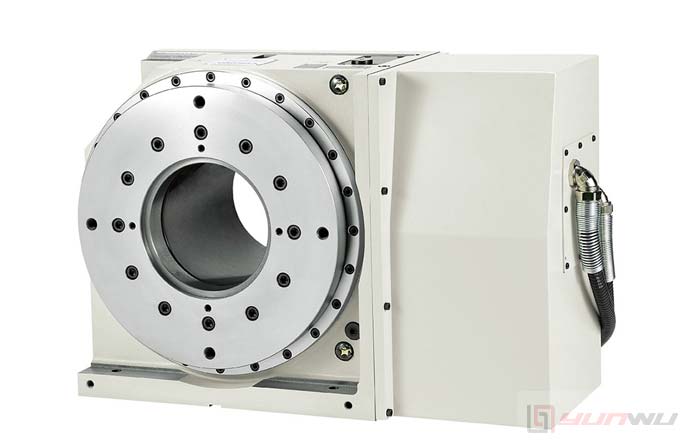
A vertical rotary table is a precision device that allows workpieces to be rotated for machining operations like drilling, boring, and milling, with the table oriented vertically to provide access to the side of the part. Unlike horizontal rotary tables that position work flat, a vertical rotary table is mounted upright and is ideal for operations requiring angled cuts, cylindrical machining, or working on the edges of components....
Read More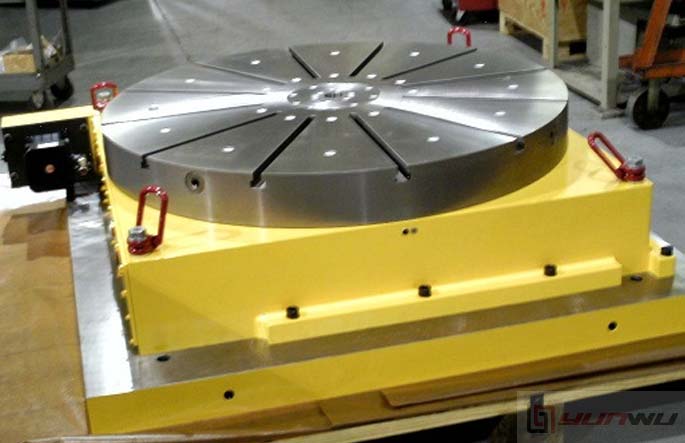
A horizontal CNC rotary table is a specialized accessory for CNC milling machines that provides a horizontal rotation around a fixed axis, allowing for precise, multi-side machining of a workpiece in a single setup. It is designed to work with the machine's other linear axes (X, Y, Z) to enable continuous, high-efficiency cutting at different angles, improving accuracy and reducing the need for multiple part re-fixturings....
Read MoreThe two main types of rotary tables are horizontal rotary tables, which are mounted flat to rotate workpieces horizontally, and vertical rotary tables, which are oriented upright to allow for machining on the side of a workpiece. These classifications are based on the table's mounting orientation and the resulting access to the workpiece for various machining operations....
Read More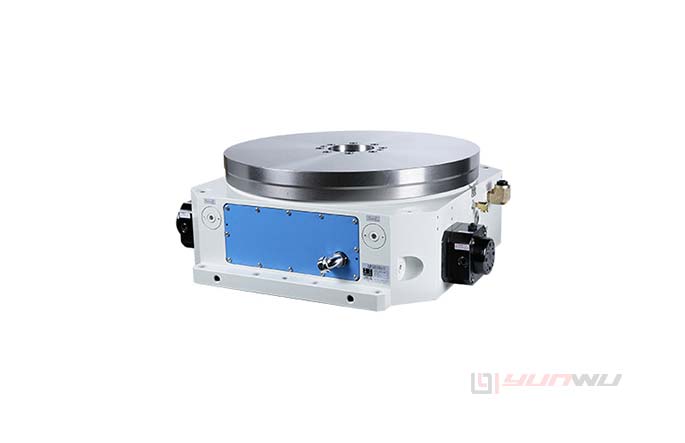
A rotary index table is a mechanical or electromechanical device that rotates a workpiece or tooling to precise angular positions to allow for multiple operations like drilling, milling, assembly, or inspection. These tables precisely index components in small, controlled increments, holding them in place while other machines perform tasks, thereby enhancing precision, efficiency, and automation in manufacturing processes. They can be manually or automatically controlled by CNC systems. ...
Read More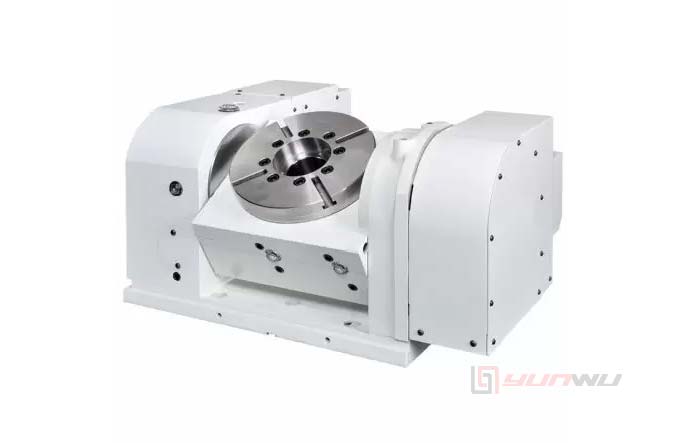
A CNC rotary table is a computer-controlled device that adds a fourth axis of rotation to a CNC machine, allowing a workpiece to be rotated with high precision around a fixed axis. This enables multi-axis milling, intricate 3D contouring, and drilling or machining on multiple faces of a part without manual repositioning, significantly increasing efficiency, accuracy, and the versatility of the machining center....
Read MoreSoft jaws are specialized clamping jaws used on lathe chucks, milling vises, and other workholding fixtures to securely hold a workpiece without damaging its surface and to allow precise, repeatable positioning. They’re typically made from softer, machinable materials like mild steel, aluminum, or plastic, which can be modified or machined to match the exact shape of the workpiece....
Read MoreA milling chuck works by using needle bearings and a mechanical locking mechanism to securely grip a cutting tool shank. When the locking nut is tightened, it forces the needle bearings to compress around the tool, creating immense clamping force that holds the tool with low runout and high stability. This precise grip is essential for the heavy-duty, high-speed work of milling machines, preventing tool movement and wear....
Read Moremilling chucks are better for heavy roughing and applications demanding maximum rigidity and force, while hydraulic chucks excel in finishing operations where accuracy and vibration control are critical. Hydraulic chucks are easier to handle but have a higher cost and moderate holding strength compared to milling chucks....
Read MoreA scroll chuck, also known as a self-centering chuck, is a type of workholding device that uses a spiral-shaped scroll plate to move its jaws simultaneously and symmetrically. This self-centering action ensures accurate workpiece alignment for turning operations on lathes, making it ideal for quickly and securely gripping round or hexagonal parts in both woodworking and metalworking....
Read More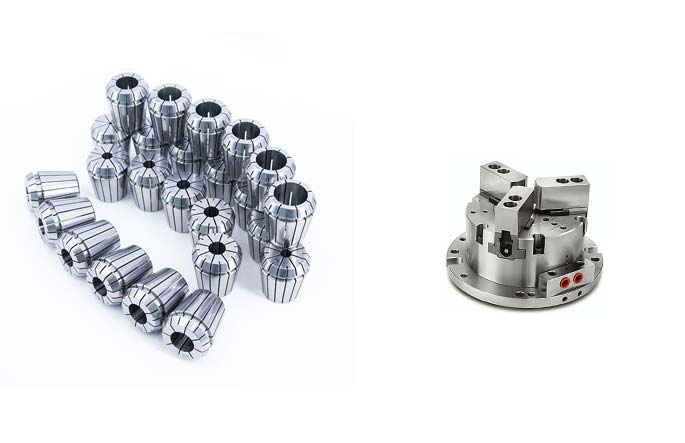
collets excel in precision and secure, uniform gripping for specific sizes, while chucks offer greater versatility and flexibility for various shapes and sizes but with potentially less precision....
Read More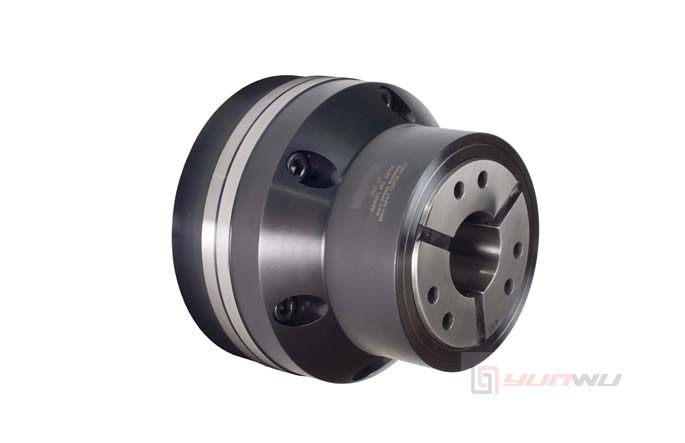
A dead length collet chuck, also known as an Accu-Length™ or true length chuck, is a type of collet chuck that minimizes or eliminates axial movement of the workpiece during the clamping process. This means the workpiece does not shift forward or backward when the collet is engaged, ensuring consistent positioning and length in the Z-axis....
Read MoreCollet chucks offer several advantages in machining, primarily due to their high precision, quick setup, and ability to hold a wide range of workpiece sizes. They provide a secure grip, minimize vibration, and reduce tool wear, contributing to improved accuracy, efficiency, and surface finish. ...
Read More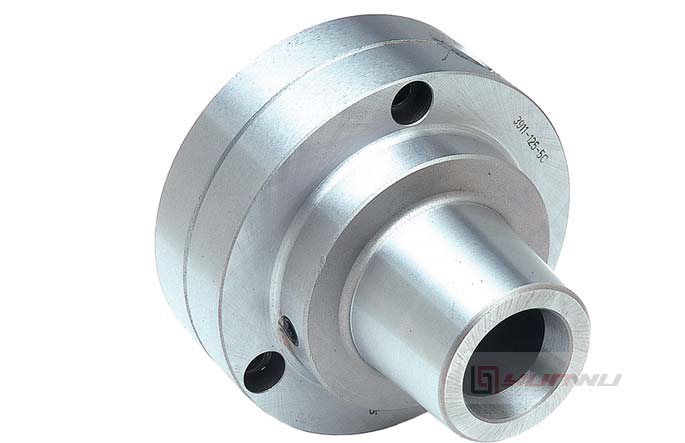
A 5C collet chuck for a mini lathe is a workholding device that uses 5C collets to securely grip and hold cylindrical workpieces during machining operations. These collets are known for their precision and are often used for turning smaller, more delicate parts where accuracy is crucial. ...
Read MoreA 5C collet chuck works by securely holding cylindrical workpieces during machining through a precise and reliable gripping mechanism. Here is how it works:...
Read More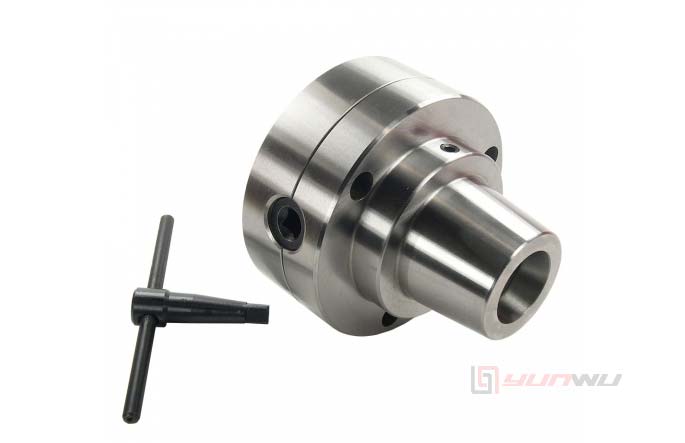
A 5C collet chuck is a type of chuck used in machining to hold cylindrical workpieces or tools securely during operations such as milling, turning, grinding, drilling, and milling. It is a subtype of chuck that uses a 5C collet—a segmented, tapered sleeve with internal threads that match a drawbar for quick and easy installation and removal of workpieces....
Read More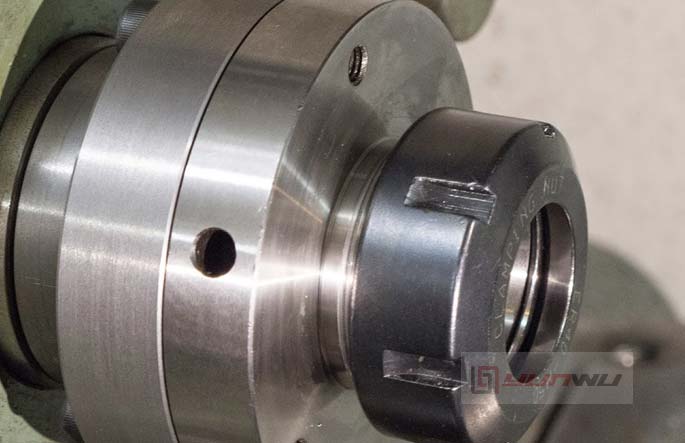
A collet chuck for a lathe is a workholding device that uses a collet (a cylindrical sleeve) to securely grip a workpiece or cutting tool. It's known for its precision, speed, and ability to hold workpieces with minimal run-out. Collet chucks are often used when accuracy and consistent centering are crucial, especially for smaller diameter stock or when minimizing marring of the workpiece. ...
Read More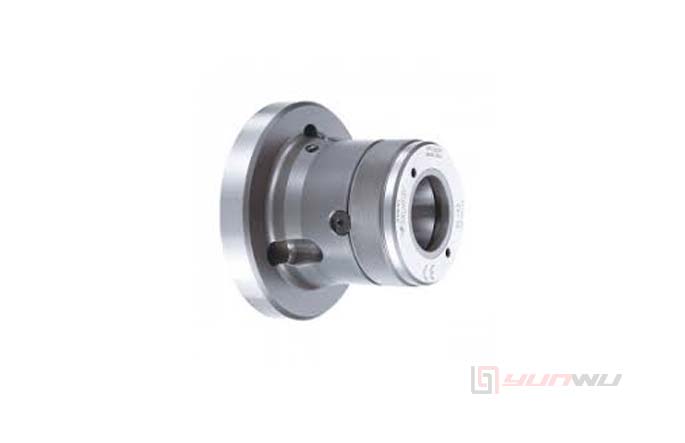
A collet chuck is a specialized clamping device used in machining and other applications to hold workpieces or cutting tools with high precision and accuracy. It uses a collet, a cylindrical sleeve with a tapered end, which is compressed within the chuck body to grip the tool or workpiece. This design ensures a secure and concentric grip, making collet chucks ideal for tasks requiring precision and repeatability. ...
Read MoreA collet chuck works by using a collet, a specialized sleeve with a tapered inner surface, to firmly grip a workpiece or tool. When the collet is tightened within the chuck, its tapered section compresses, creating a strong and even clamping force on the item being held. This method provides a more precise and secure grip compared to traditional chucks, making them ideal for high-precision machining and repetitive tasks. ...
Read MoreDimensions of 6-jaw chucks vary depending on the manufacturer and specific model, but common sizes range from 6 inches to 12 inches in diameter. ...
Read MoreA 4-jaw chuck offers independent jaw adjustment for holding non-circular or eccentric workpieces, while a 6-jaw chuck provides self-centering and potentially less deformation when holding round or thin-walled materials. Both types have their strengths, and the best choice depends on the specific application. ...
Read More